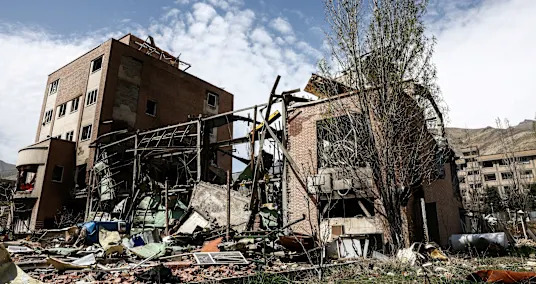
In Tehran, a city of nine million people, schools are closed, businesses are shuttered or struggling, and locals are living without a functioning air-raid warning system or public shelters. In many areas, the first sign of an incoming strike is the explosion itself.
There have been twice as many US and Israeli attacks on Iran compared to the number of Iranian retaliatory strikes since the war began — and the numbers killed in Iran have been orders of magnitude greater than in the neighboring Gulf states. A nationwide internet blackout, now entering its second month, has left civilians unable to access information about safety, shelter, and food and has meant some are unable to work. But while millions have fled Iran’s cities, many more are staying where they are. Some residents are hoping the US and Israeli bombs will cause the regime to collapse; others are left wondering if they are at risk if their neighbors are targeted.
For the many Iranians with ties to Dubai, there are other pressures, with Iranian nationals now barred from entering or transiting through the UAE. Residency permits, even for those with long-term Golden Visas, are reportedly being revoked without notice.

LATEST POSTS
- 1
 Brexit's Effect on New York's Ascent as a Main Monetary Center
 - 2Pick Your #1 Kind Of Treat
- 3Australia PM tries to reassure public as panic buying sees fuel demand surge 400% in some regions
- 4Human evolution’s biggest mystery has started to unravel. How 2025 tipped the scales
- 5Vote in favor of your Favored kind of footwear





- European nations criticise Israel’s death penalty plans
- Distributed storage Answers for Information Reinforcement
- Trump signs bill allowing whole milk to return to school lunches
- FDA proposes use of sunscreen ingredient popular in other countries
- Instructions to Explore the Therapy Choices for Cellular breakdown in the lungs
- Scientists Just Discovered Japan’s First New Bird Species in Over 40 Years
- Israeli president concerned over proposed renaming of park
- Machado ‘presented’ her Nobel Peace Prize medal to Trump
- 10 Setting up camp Shelters That Offer Both Excellence and Isolation