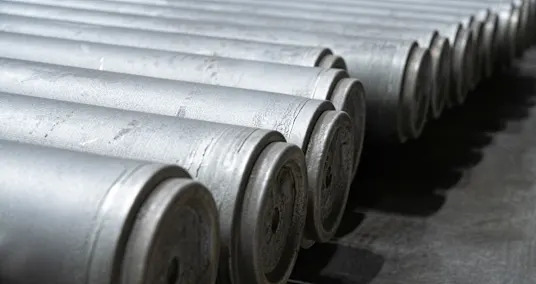
Fears of global aluminium shortages that could affect the production of clean energy technologies intensified after Iran struck two major Gulf aluminium producers, sending prices to a four-year high. The Middle East accounts for 9% of the world’s production of aluminum, which is essential to a wide range of industries from transportation, construction, and packaging, as well as the manufacture of solar panels, electrical transmission systems, wind turbines, and EVs.
Export shipments to the US and Europe had already come to a halt because of the effective closure of the Strait of Hormuz, and Morgan Stanley economists singled out aluminium as carrying a high level of risk across the value chain. Andy Farida, an aluminium analyst at Fastmarkets, told Semafor that high prices would be passed on to end-users, ultimately causing demand destruction. “A prolonged shutdown (with little to no alternative supplies other than Russia and China) could cripple the supply of aluminium to support the production of clean and green technology,” he said, adding that relief could come “if governments allow some sanctioned Russian and Chinese aluminium to be imported.”

LATEST POSTS
- 1
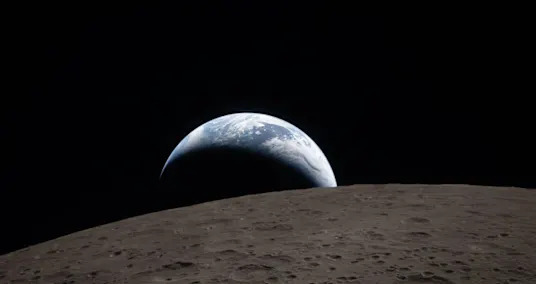
 Artemis 2 captures historic 'Earthset' photo | Space photo of the day for April 7, 2026
 - 2Figuring out the Business venture Code: The Response to Building an Effective Startup
- 3Remote Work Survival manual: Helping Efficiency at Home
- 4'Yellowstone' made him a fan favorite. His biggest role isn't the one you see.
- 5Etymological Investigation Disclosed: A Survey of \Dominating New Tongues\ Language Learning Application




- The best ice packs for coolers of 2026, tested and reviewed
- Three killed as unfinished building collapses on church service in Ghana
- The Century Coupe Could Be Toyota’s Most Ambitious Car Since the LFA
- Scaling New Levels: Rock Climbing Spots On the planet
- New movies to watch this weekend: See 'The Drama' in theaters, rent 'Wuthering Heights,' stream 'Pizza Movie' on Hulu
- Dominating Online Entertainment Showcasing: 7 Hints for Organizations
- Ocean side Objections: Staggering Waterfront Breaks
- The most effective method to Begin Your Excursion in Gold Venture
- Vote In favor of Your Favored Web based Dating Application